The poets of Arunachala
Long before guidebooks, Tiruvannamalai's fame travelled in poetry. The festival of lamps appears in Sangam verse, the 7th-century Tevaram saints sang of Annamalai, and later poets from Manikkavasagar to Arunagirinathar made the town a centre of Tamil devotional literature.

The oldest lamps
The Tiruvannamalai District Administration notes that the Karthigai festival of lamps appears in the Sangam anthology Akananuru, and in the verse of the poet Avvaiyar. Lighting lamps in the month of Karthigai is therefore very old in Tamil culture. Tiruvannamalai’s great Karthigai Deepam belongs to that tradition.
The Tevaram saints (7th century)
Two of the great Shaiva saints, Appar (Thirunavukkarasar) and Thirugnana Sambandar, sang of Annamalai in hymns later gathered into the Tevaram, the core of the Tamil Shaiva canon. The temples praised in it are known as Paadal Petra Sthalams, “places that received songs”. Tiruvannamalai is one of them, so its shrine was already celebrated by the 7th century, long before its great towers were built. See temple history.
Manikkavasagar and the Tiruvempavai
Tradition credits the saint-poet Manikkavasagar with composing the Tiruvempavai at Tiruvannamalai. In it, young women wake one another before dawn to bathe and worship Shiva. It is sung every year in the Tamil month of Margazhi, in temples and homes across Tamil Nadu. Its association with Tiruvannamalai makes the town part of one of the most widely sung devotional traditions in Tamil.
Arunagirinathar and the Thiruppugazh (15th century)
Arunagirinathar was born in Tiruvannamalai in the 15th century. His Thiruppugazh, hymns to Murugan known for their intricate rhythm, are among the best-loved works of Tamil devotional poetry. Legend links him closely to the temple: the Kambathu Ilaiyanar shrine, where Murugan appears from a pillar, and the Kili Gopuram (parrot tower) both feature in his story. See shrines and deities.
The temple’s own literature
The temple’s official history page names several works devoted to Tiruvannamalai. They include the Arunachala Puranam of Ellappa Navalar, the Arunai Kalambakam and the Sonasaila Malai, alongside Arunagirinathar’s Thiruppugazh. Together they retell the legends of the hill: the column of fire and Ardhanarishvara, and the glories of the temple and its festivals.
And in the 20th century
The line continues with Ramana Maharshi, whose devotional hymns to the hill are introduced in Ramana Maharshi’s Five Hymns to Arunachala.
Reading further
This essay only sketches a vast literature. Good starting points are authorised editions of the Tevaram and the Thiruppugazh, and the temple’s own publications, available at Tiruvannamalai.
Sources & references
- Annamalaiyar TempleWikipediaReference work · checked27 September 2026
- Temple history (sthala varalaru)HR&CE – Arunachaleswarar TempleOfficial temple source (HR&CE) · checked27 September 2026
- Karthigai FestivalTiruvannamalai District AdministrationGovernment of Tamil Nadu · checked27 September 2026
Please verify important timings and festival dates with official sources before travelling.
This is an independent informational guide, not the official temple website. For darshan tickets, sevas and donations, use the official HR&CE temple website.
Continue exploring Arunachala
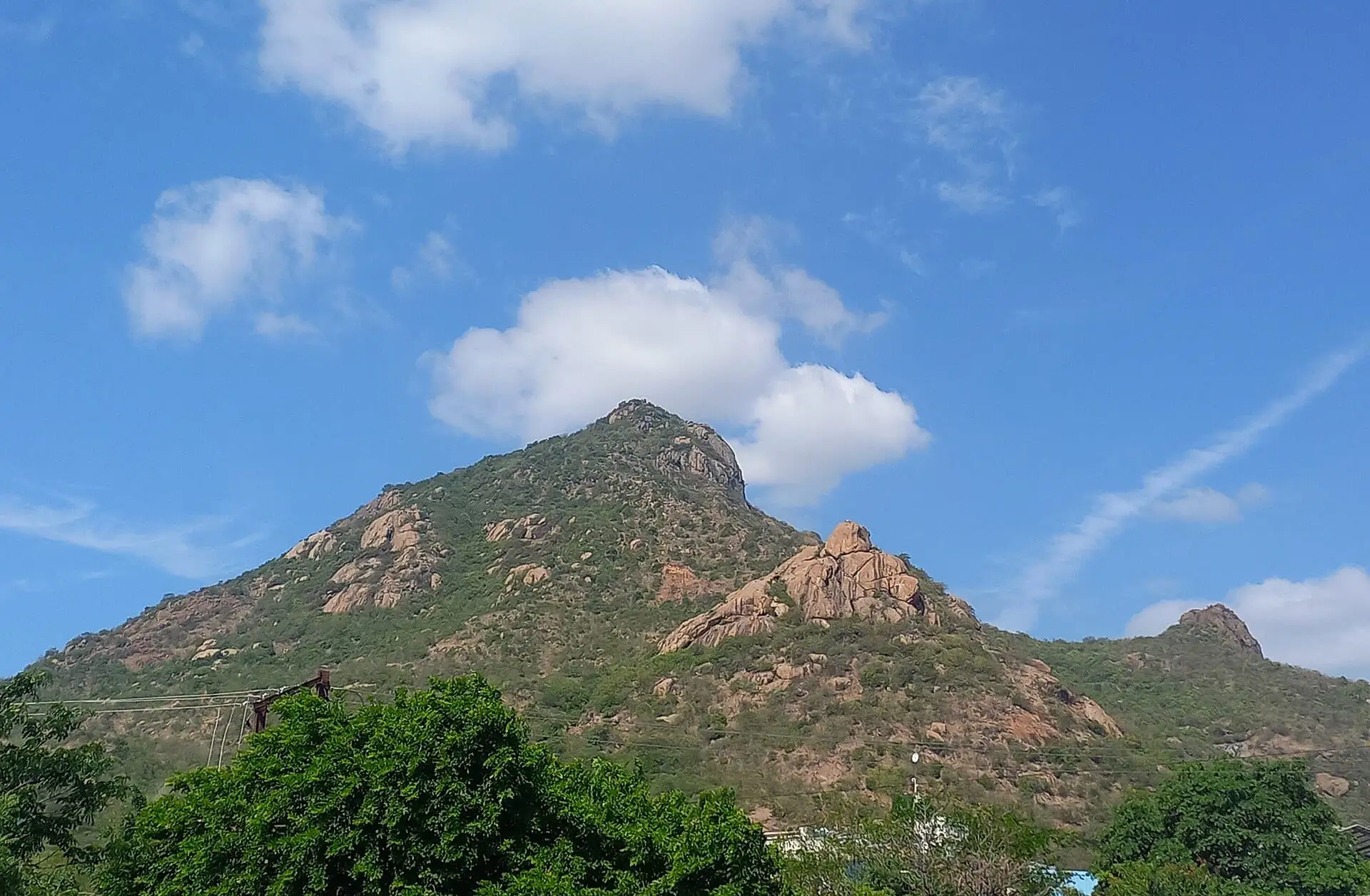 HistoryThe documented history of Arunachaleswarar Temple: Tevaram hymns, Chola masonry, the Hoysala capital, Vijayanagara and Nayak builders, inscriptions and modern times.
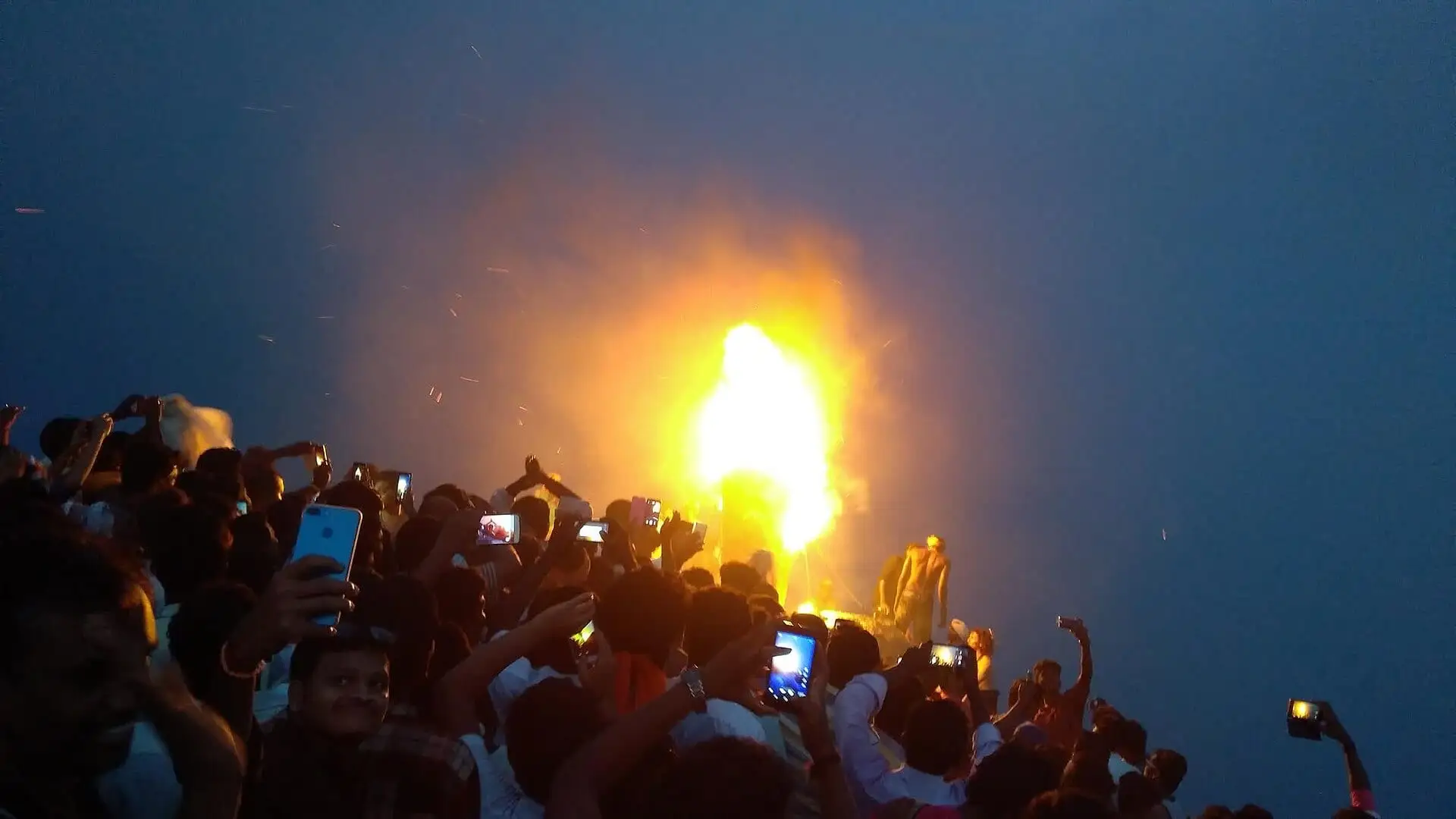 Legends of ArunachalaThe legends of Arunachala: Shiva's endless column of fire before Brahma and Vishnu, the ketaki flower, Parvati's penance and Ardhanarishvara.
- Karthigai DeepamKarthigai Deepam at Tiruvannamalai: the Bharani and Maha Deepam, the ten-day Brahmotsavam, its history, and planning for crowds, stay and viewing.
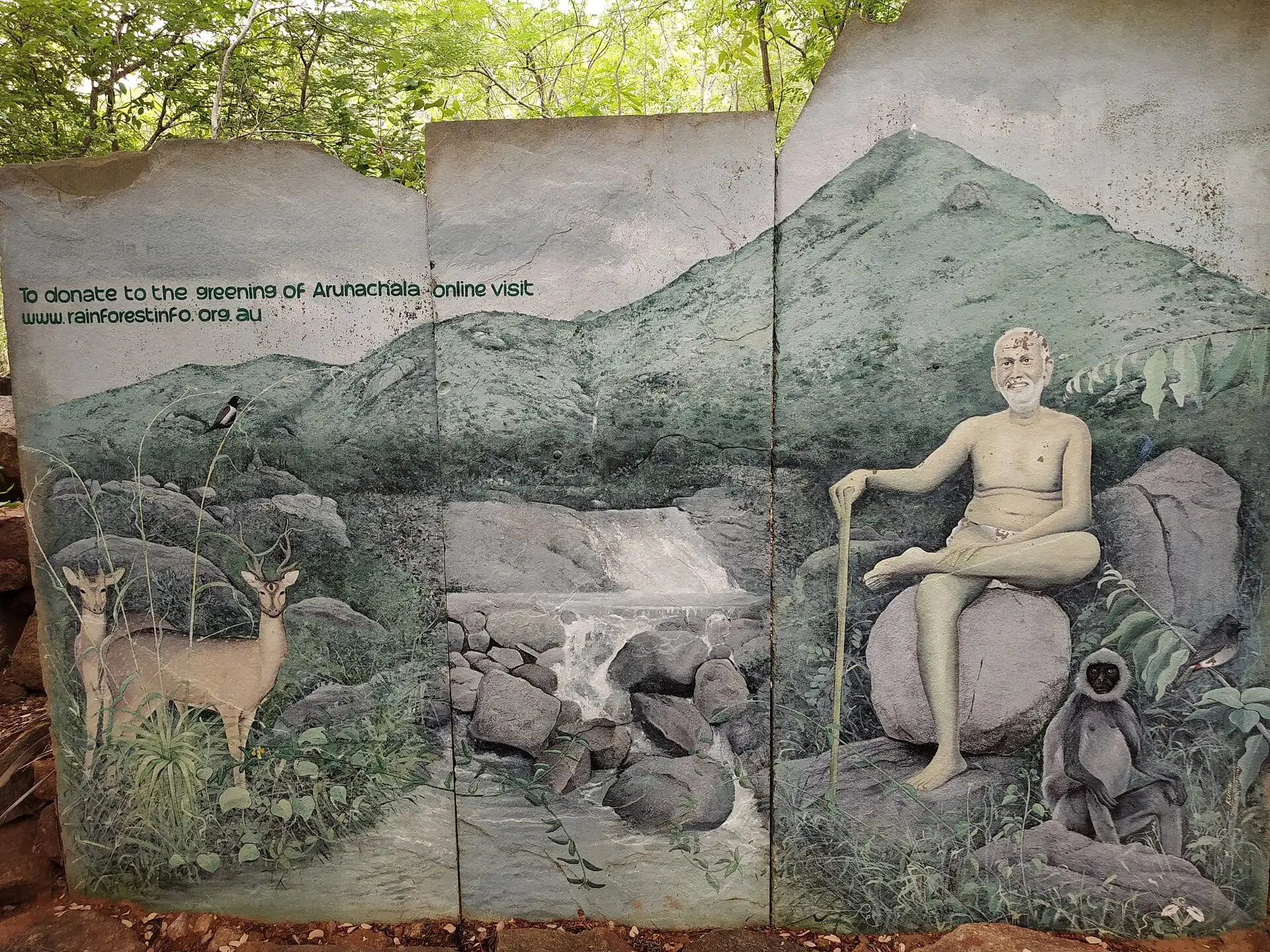 Ramana Maharshi's Five Hymns to ArunachalaAn introduction to the devotional hymns Ramana Maharshi addressed to the hill: what they are, when he wrote them, and where to read them.