Ramana Maharshi's Five Hymns to Arunachala
Ramana Maharshi taught mostly in silence and in answers to questions. His hymns to Arunachala are a rare exception: devotional poems addressed to the hill itself. This is a short introduction to them, and to where you can read them in full.

A teacher who wrote to a hill
For Ramana Maharshi, Arunachala was not a backdrop but the heart of his devotion. He spoke of the hill as his Guru and as Shiva himself. During his years on its slopes, at Virupaksha Cave (1899–1916) and Skandashram (1916–1922), he composed a set of devotional hymns addressed to it. They became known together as the Five Hymns to Arunachala (Arunachala Stuti Panchakam).
The five hymns
- Arunachala Aksharamanamalai. Usually translated as “The Marital Garland of Letters” (Wikipedia names it as the first of the hymns). It is an alphabetical garland of verses in which each verse begins with a successive letter of the Tamil alphabet, with a refrain calling on Arunachala Shiva. It is the best known of the five, and it is sung at the ashram and by devotees on Girivalam.
- Arunachala Navamanimalai, “The Necklace of Nine Gems”.
- Arunachala Patikam, “Eleven Verses to Arunachala”.
- Arunachala Ashtakam, “Eight Stanzas to Arunachala”.
- Arunachala Pancharatnam, “Five Gems”, composed in Sanskrit.
The four Tamil hymns and the Sanskrit Pancharatnam move between longing, surrender and the direct recognition of the Self, which in his teaching the hill both symbolises and is.
Why they matter to visitors
Many devotees read or sing the hymns on the Girivalam path or in the Old Hall of Sri Ramanasramam. You don’t need to know them to walk around the hill. But knowing that the refrain Arunachala Shiva comes from them helps explain the chant you’ll hear on the road.
Where to read them
The hymns are published by Sri Ramanasramam, with translations and commentaries, and are available at the ashram’s bookshop and through its official website. We don’t reproduce the texts here. Read them in an authorised edition, ideally with the ashram’s notes.
Visit the places they were written
- Virupaksha Cave and Skandashram: a 20–30 minute walk up from the ashram.
- Sri Ramanasramam: the ashram where Ramana lived from 1922 to 1950.
- Ramana Maharshi and Arunachala: the full timeline.
Sources & references
- Ramana MaharshiWikipediaReference work · checked27 September 2026
- Sri Ramanasramam – official websiteSri RamanasramamInstitution · checked27 September 2026
Please verify important timings and festival dates with official sources before travelling.
This is an independent informational guide, not the official temple website. For darshan tickets, sevas and donations, use the official HR&CE temple website.
Continue exploring Arunachala
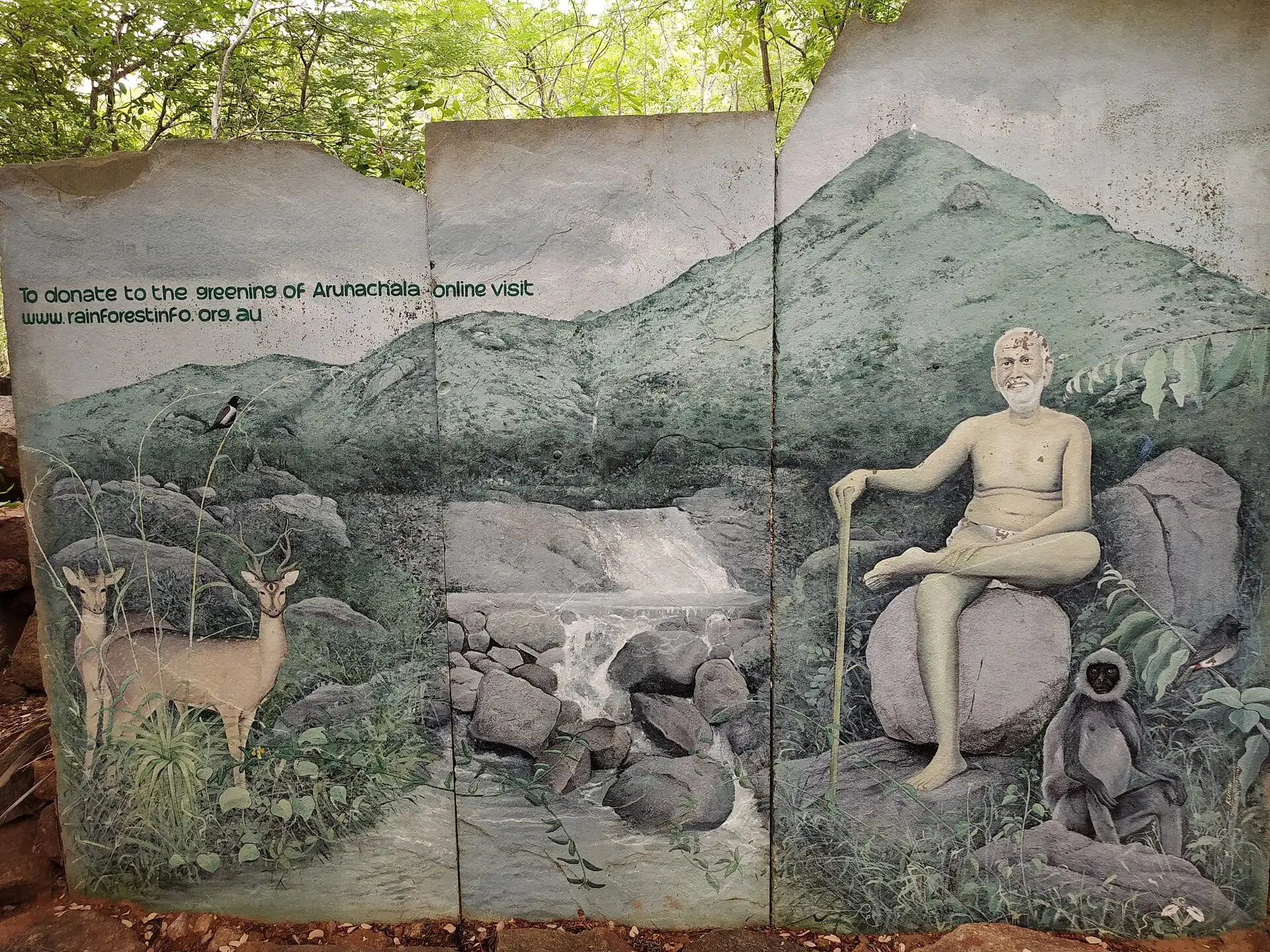 Ramana MaharshiRamana Maharshi's life at Tiruvannamalai from 1896 to 1950: the temple, Gurumurtam, Virupaksha Cave, Skandashram and Sri Ramanasramam, and how to visit each place today.
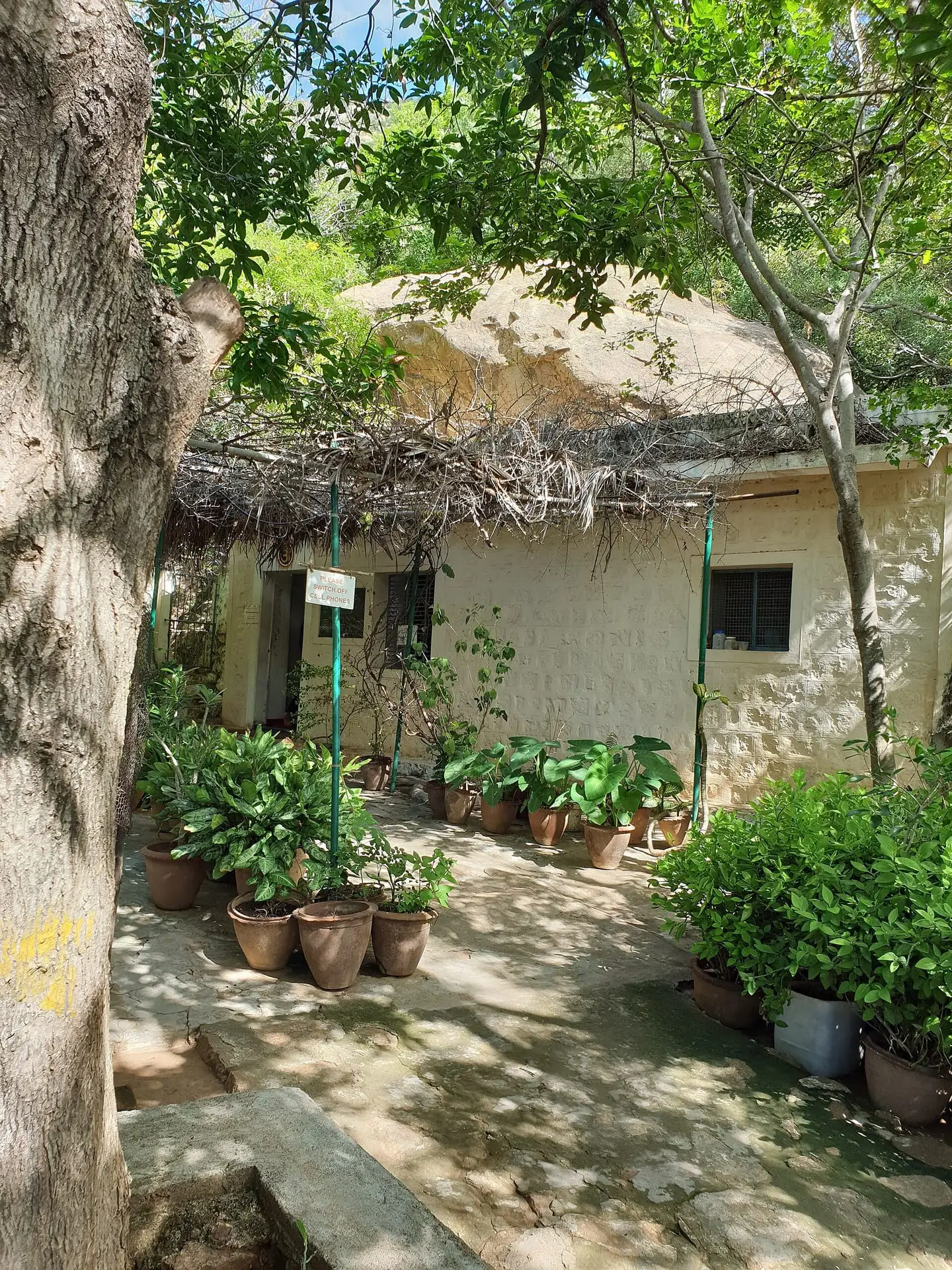 Virupaksha CaveVirupaksha Cave on Arunachala's south-eastern slope, where Ramana Maharshi lived from 1899 to 1916: history, the walk up from Ramanasramam, what to expect and etiquette.
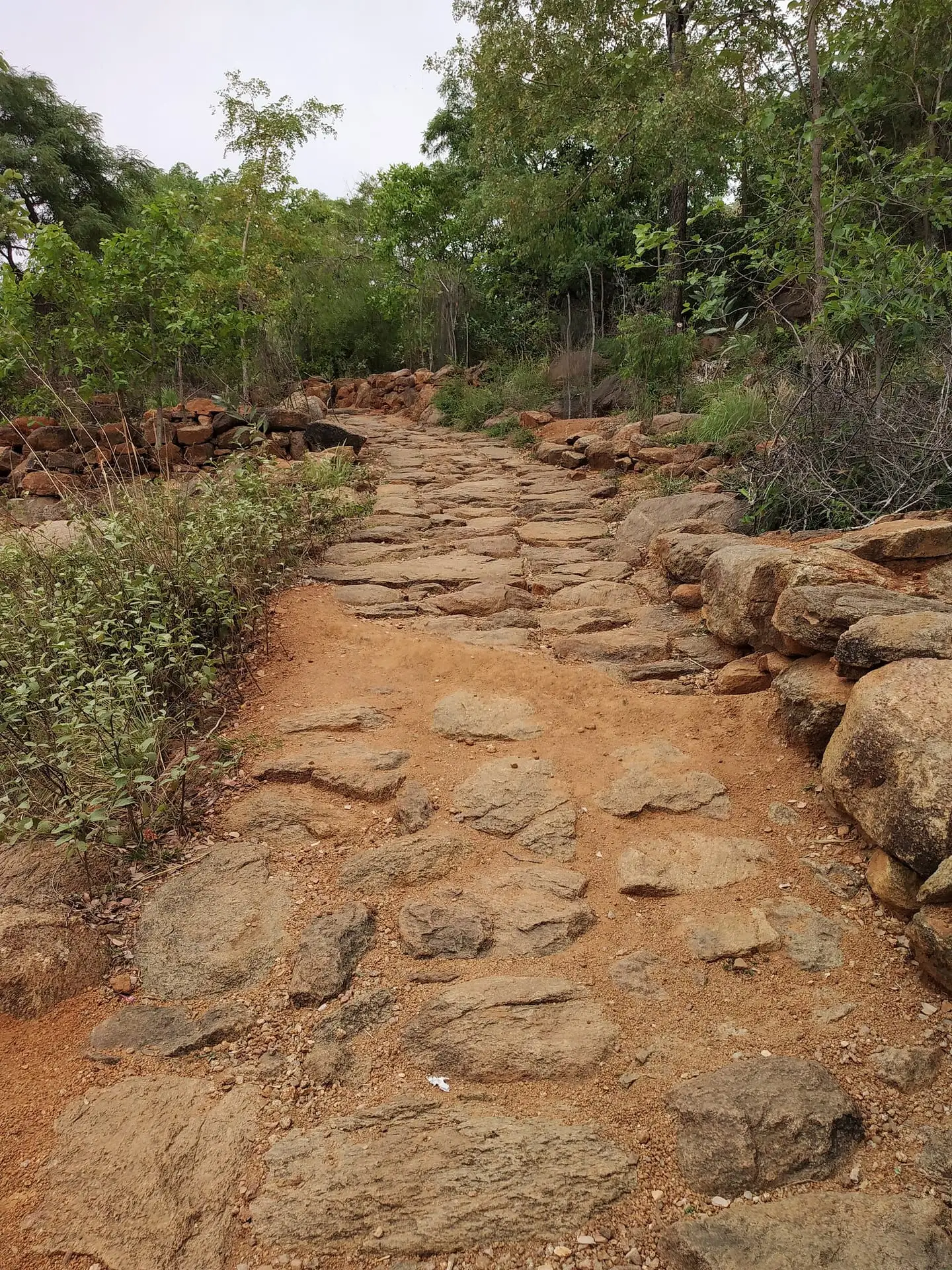 SkandashramSkandashram on Arunachala, Ramana Maharshi's home from 1916 to 1922: history, the view over the temple, the walk up from Ramanasramam, and tips for visiting.
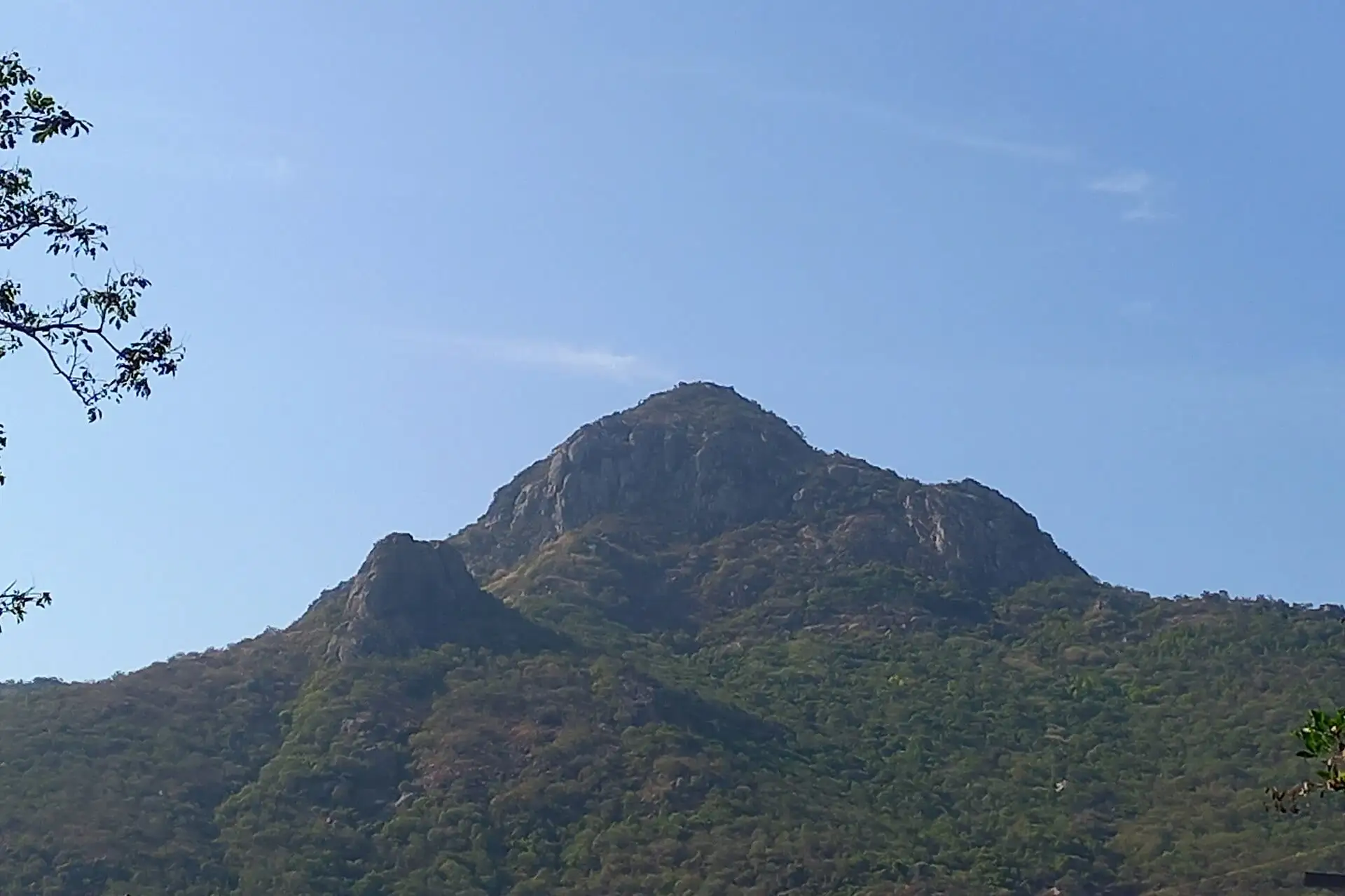 Arunachala HillArunachala, the 814 m sacred hill at Tiruvannamalai: why devotees revere it as Shiva, its caves and saints, Ramana Maharshi, Girivalam, forest rules and how to visit.