Pooja timings and daily rituals
Six poojas mark the temple's day, from the dawn pooja around 5:30 AM to the night pooja around 10 PM. The times below are as documented in published references and should be confirmed locally, because the temple adjusts them for festivals and special rituals.

The six daily poojas
| Pooja | Approximate time |
|---|---|
| Kaalaippani (dawn pooja) | 5:30 AM |
| Kaalai Vazhipaadu (morning pooja) | 8:00 AM |
| Nadunchama Vazhipaadu (mid-morning pooja) | 10:00 AM |
| Maalaipani (evening pooja) | 6:00 PM |
| Irandaam Kaalai Pani (second evening pooja) | 8:00 PM |
| Iravuppani (night pooja) | 10:00 PM |
In Sanskrit-derived Agamic usage the same cycle is often called Ushathkalam, Kalasandhi, Uchikalam, Sayarakshai, Irandam Kalam and Arthajamam. The names differ between sources, but the rhythm of the day is the same.
What happens at a pooja
Each pooja follows a similar sequence. Priests perform abhishekam (ritual bathing of the lingam) at the appropriate times, then alankaram (decoration). This is followed by naivedyam (food offering) and deeparadhanai, the waving of lamps before the deity, which devotees crowd forward to see. During abhishekam and naivedyam the sanctum is often screened; darshan resumes within minutes.
The last pooja of the night closes the temple day. In many Shiva temples a palliyarai ritual follows, in which the deity is symbolically taken to the bedchamber.
Special poojas
- Pradosham. On the 13th lunar day of each fortnight, abhishekam is offered to Nandi and Shiva in the evening, roughly between 4:30 and 6:00 PM. It is one of the busiest regular events.
- Monthly Sivaratri. On the 14th night of the waning moon.
- Karthigai nakshatram. Monthly special worship, especially of Murugan.
- Maha Shivaratri. Worship through the night, with the Lingodbhava pooja around midnight. See Maha Shivaratri.
- Karthigai Deepam. The Bharani Deepam is lit in the sanctum before dawn. See Bharani Deepam.
Sevas, abhishekam and archanai
Sevas such as abhishekam and archanai are arranged by the temple. You can book them:
- at the temple office, or
- through the official HR&CE e-services and the official temple website.
We do not list fees because the temple administration sets and revises them. Pay only at official counters or through the official website, and keep your receipt.
Visitor considerations
- The crowd surges just before each deeparadhanai. If you want a quieter darshan, go between poojas.
- Photography is not allowed. Keep phones silent or deposit them as instructed. See dress code and rules.
- Religious observances carry devotional meaning for pilgrims. This page describes practice; it does not make claims about spiritual or other outcomes.
Common questions
How many poojas are performed daily at Tiruvannamalai temple?
Six. Published references list them from about 5:30 AM (the dawn pooja) to about 10:00 PM (the night pooja).
Can I book an abhishekam?
Abhishekam and other sevas are arranged by the temple. Book at the temple office or through the official HR&CE e-services website; this site cannot make bookings.
Sources & references
- Annamalaiyar TempleWikipediaReference work · checked27 September 2026
- Arulmigu Arunachaleswarar Temple – official websiteHindu Religious & Charitable Endowments Dept., Govt. of Tamil NaduOfficial temple source (HR&CE) · checked27 September 2026
Please verify important timings and festival dates with official sources before travelling.
This is an independent informational guide, not the official temple website. For darshan tickets, sevas and donations, use the official HR&CE temple website.
Continue exploring Arunachala
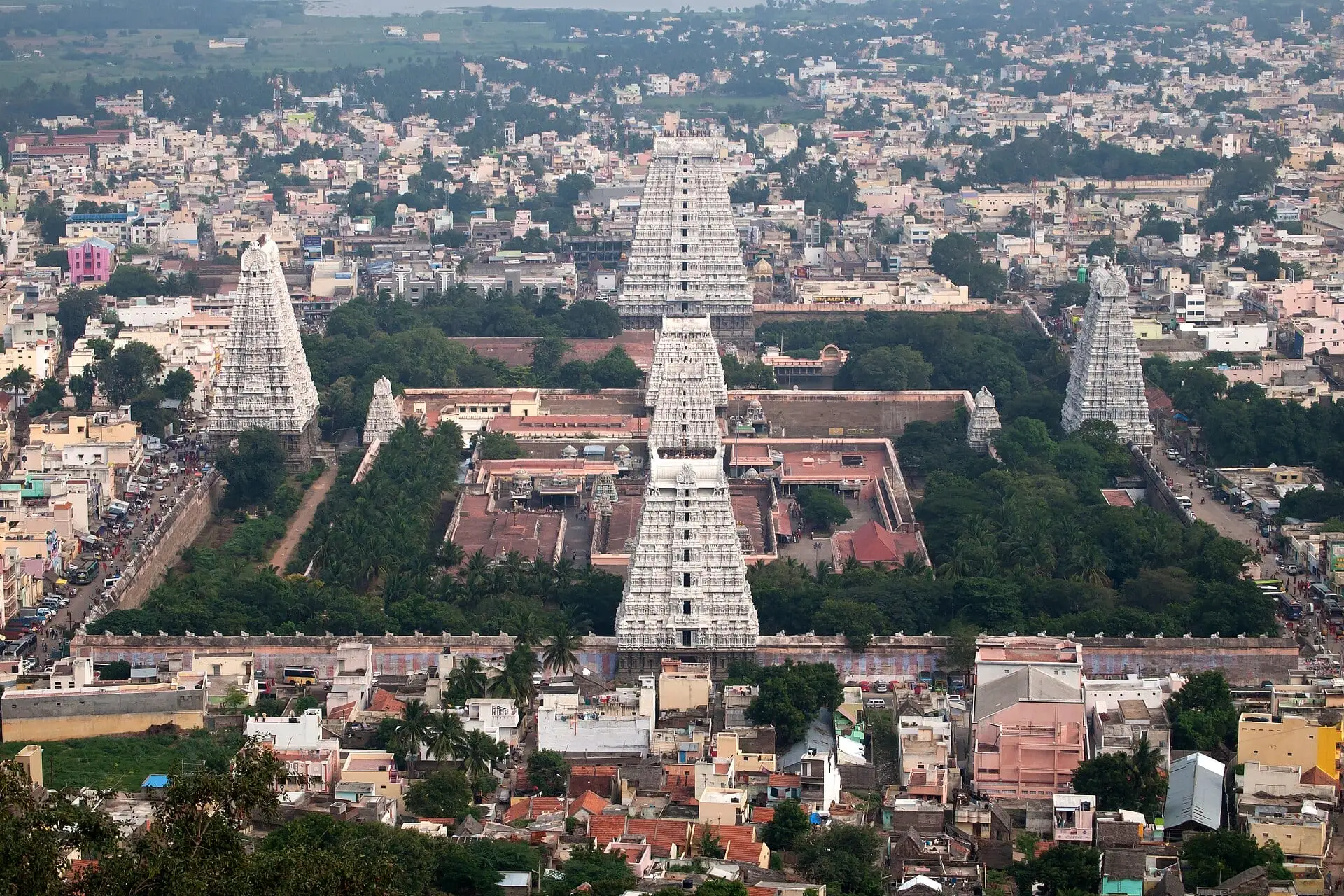 Temple timingsArunachaleswarar Temple timings from the official HR&CE website: 5:30 AM to 8:00 PM daily, how hours change on Pournami, Pradosham and festivals, and when to go.
- First-time visitor guideA first visit to Arunachaleswarar Temple, step by step: arriving, entrances, queues and tickets, the order of darshan, prasadam and annadhanam.
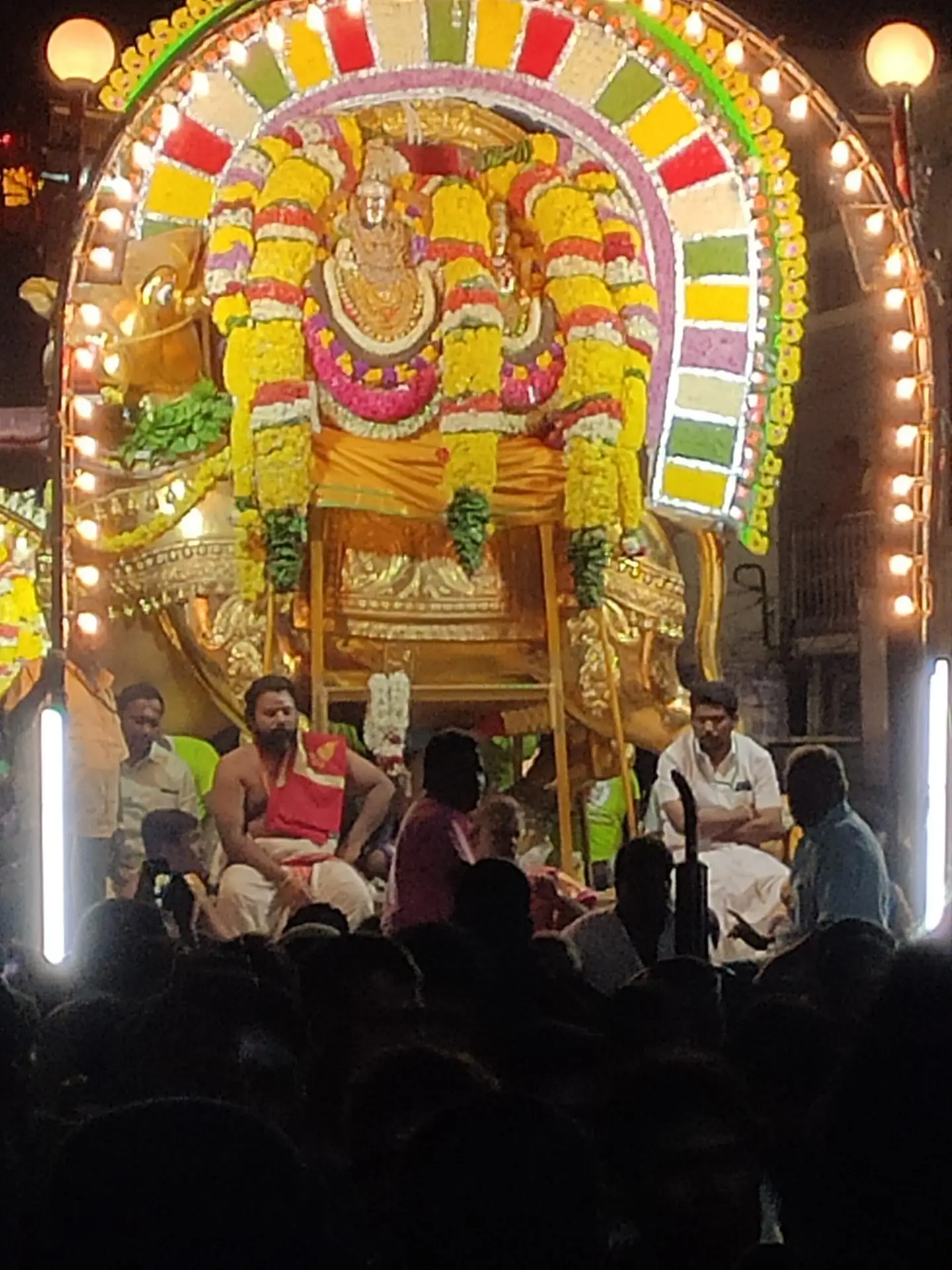 Shrines & deitiesWho is worshipped at Arunachaleswarar Temple: Annamalaiyar, Unnamulai Amman, Kambathu Ilaiyanar, Periya Nandi, Pathala Lingam and the temple's 40 shrines.
- Festival calendarArunachaleswarar Temple festival calendar: Karthigai Deepam, Maha Shivaratri, Chithirai Pournami, Thiruvoodal and more, with verified dates.